Maybe the Algorithm Was Never A&R
For much of the past decade, an artist’s numbers have served as a digital audition. TikTok views, Instagram followers, YouTube subscribers and Spotify streams can help a song get noticed. But they leave an important question unanswered: Will anyone remember the artist?
A viral moment can introduce a song to millions without building a lasting fanbase. A stream shows that someone listened; it cannot tell us whether they will buy a ticket, seek out the next release or tell a friend. Attention and connection are different things, and the distinction may be becoming more important to the music business.
At its best, A&R did more than identify a promising voice or song. It helped artists develop their sound, performance and careers. Today, much of that work falls to artists before a label gets involved. They are expected to build an audience, create content and prove demand while they are still finding their footing.
Data remains useful. It can show where a song is reaching people and how listeners respond. But a fanbase is more than a collection of views. Fans know the artist’s name. They return for another song, another show and another release. They follow a career rather than simply consuming a track.
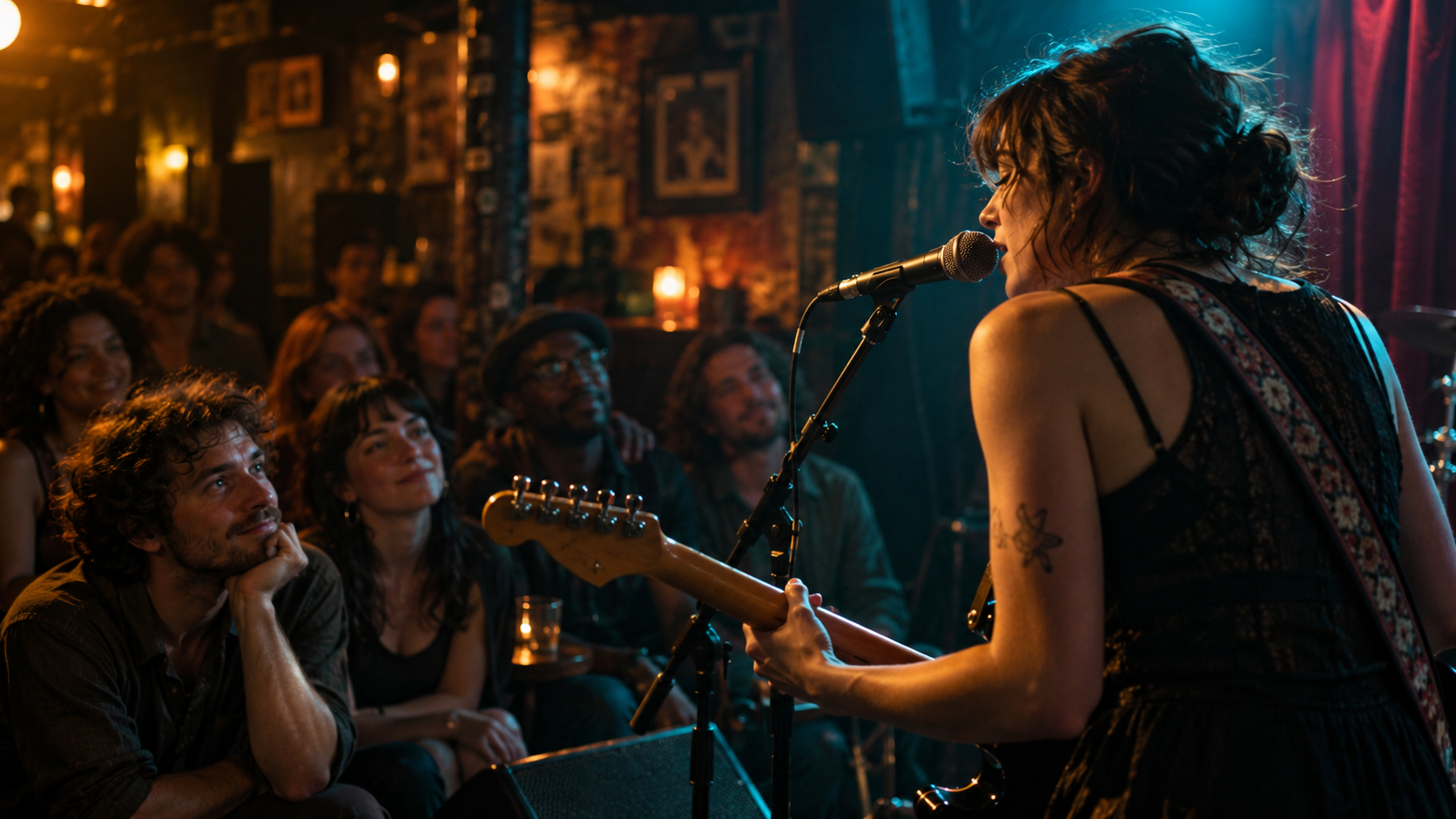
That gives live original music particular value. Cover and tribute bands can be exceptional performers, but they often begin with an audience that already loves the songs. An original artist faces a different test. When someone hears an unfamiliar song in a club and asks, “Who is this?” the artist has created a connection in real time. That is discovery.
Artificial intelligence adds another dimension. Songwriters can use new tools to explore demos and production ideas more quickly, even as the industry debates where AI belongs in composition and recording. Those tools may change how music is made, but they cannot settle the question that matters when an artist walks onstage: Can they make people care?
The future of A&R will likely combine streaming data, social engagement and new technology with human judgment. Numbers can point to potential. A performance can reveal whether an artist can hold a room and bring people back.
An artist with a modest but committed fanbase may have more room to build a lasting career than one whose audience disappears after a viral video. If the industry begins to value that difference, developing artists may have more reason to play original music in clubs, venues may have more reason to book them, and labels may have more reason to recognize potential before it becomes a proven hit.
Audiences would gain something, too: the chance to say, “I saw them before everybody knew who they were.”
Maybe artist discovery never disappeared. Maybe the algorithm was never A&R.