Music has always had the power to move people.
A song can change a mood, trigger a memory, inspire action or create a sense of belonging.
For decades, businesses understood that influence. Retailers, restaurants, hotels and brands used music to shape atmosphere and behavior.
But something has changed.
Music no longer creates only emotion. It creates data.
Every stream, skip, replay, save, share and follow can contribute to a picture of listener behavior. Streaming made that possible at enormous scale, while transforming discovery and giving artists access to audiences around the world.
Now the industry is entering another phase.
Streaming, social media, ticketing, VIP experiences, merchandise, physical music and direct-to-fan commerce are increasingly connected.
That raises a bigger question:
Who controls the relationship between an artist and a fan?
The Fan Is Becoming More Valuable
For years, the music business focused heavily on audience size: streams, followers, views and monthly listeners.
Now attention is shifting toward something potentially more valuable: engagement.
A smaller audience of genuinely connected supporters can buy tickets, collect physical music, attend VIP experiences, purchase merchandise and support releases over time.
They are more than listeners. They are customers, collectors, supporters and part of an artist's community.
The next chapter of the music business may be less about building the largest audience and more about building stronger relationships with the audience that truly cares.
But Who Owns That Relationship?
An artist can have hundreds of thousands of followers and still have little direct connection to them. Platforms often know who listened, skipped, saved, clicked and purchased, while the artist receives only part of that picture.
As streaming, discovery, ticketing and fan experiences become more connected, fandom itself becomes increasingly measurable. Listening and engagement can influence recommendations, visibility, access and rewards.
That raises another question: Who gets to define a superfan?
Is it the person who streamed a song 200 times, bought the first EP, drove hours to a show, collects the artist's physical music or rarely misses a concert?
There may never be one definition of a superfan.
And perhaps there shouldn't be.
The Return of Direct-to-Fan
This is why direct-to-fan is becoming increasingly important.
Artists are looking beyond streams and followers and asking: How do you turn discovery into a lasting fan relationship?
That shift is driving interest in physical music, collectibles, VIP experiences, artist communities and emerging formats such as Smart Media Albums.
Today's physical music can also bridge the physical and digital worlds, giving fans access to music, video, artwork, lyrics, exclusive content, merchandise and future artist experiences.
The physical product becomes more than something to own.
It becomes part of the connection.
Ownership Changes the Conversation
There is a meaningful difference between listening to music and owning something connected to it.
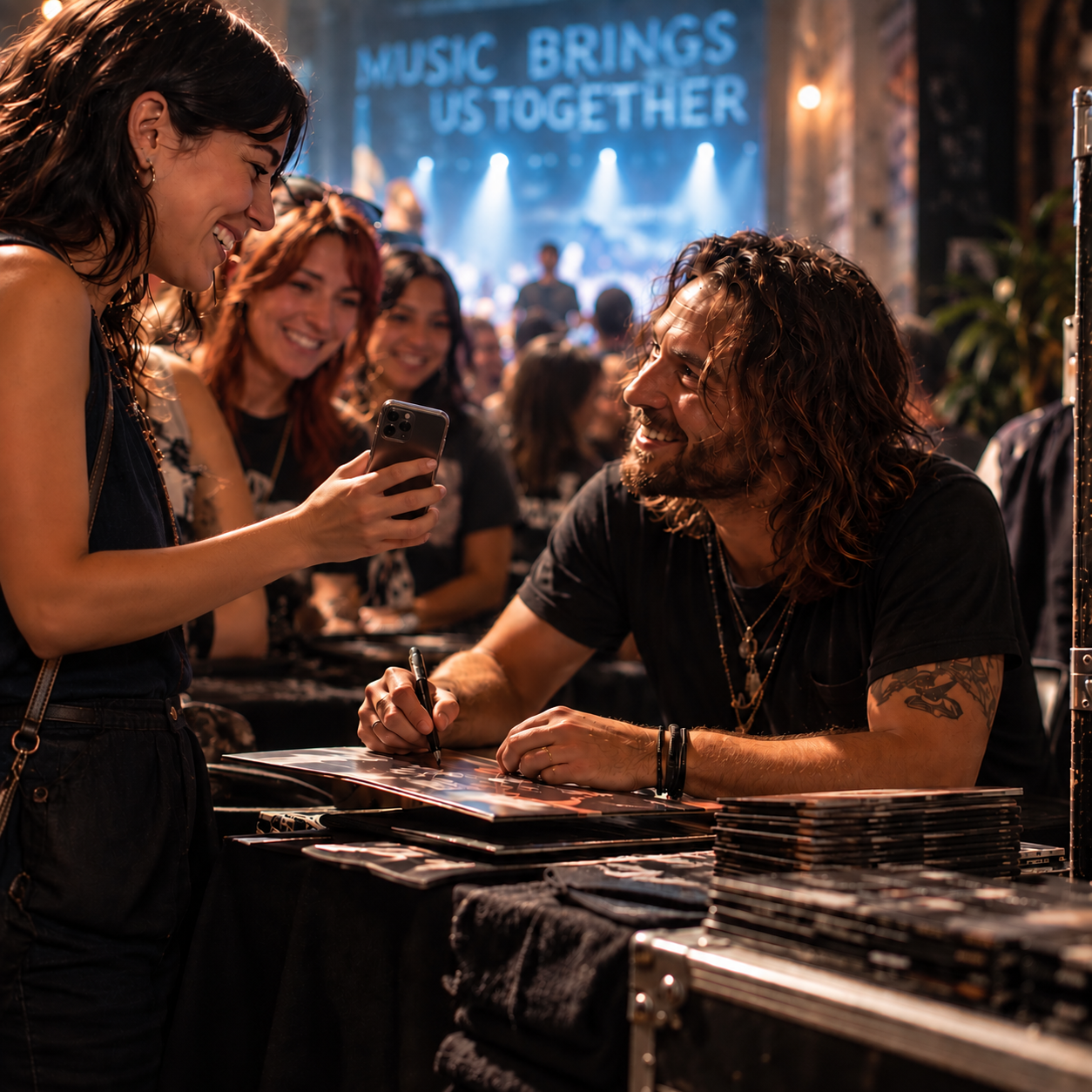
A stream provides access. A physical collectible gives a fan something to keep, display, have signed and associate with an artist, release, concert or moment.
That emotional value is difficult to capture in a stream count.
It may also explain why physical music is finding a new role in a digital industry. It doesn't need to replace streaming.
It can begin where streaming ends.
Streaming drives discovery. Direct-to-fan builds connection. Physical music creates ownership. VIP experiences create memories. Technology can bring them together.
The New Music Business May Be About Connection
The next opportunity may not be simply generating more streams. It may be turning more listeners into supporters.
That means giving artists better ways to build lasting relationships instead of continually relying on platforms to reach their own audiences. It also means giving fans more than another recommendation on a screen.
Something to own. Something to experience. Something that connects them more closely to the artist and the music.
Technology will continue changing how music is created, discovered, distributed and experienced. Streaming will evolve. AI will reshape parts of the industry. Ticketing will change. New physical formats and fan platforms will emerge.
But the foundation remains simple:
Artists need fans. Fans want connection.
The next chapter of the music business may belong to the technologies and models that strengthen that relationship.
Because the real opportunity isn't controlling fan behavior.
It's giving artists and fans greater control over the relationship they build together.