How Technology Is Giving Independent Artists More Control.
For independent artists, technology is changing more than how music is distributed. It is changing how businesses can be built around the music.
Direct-to-fan tools, digital commerce, audience data and connected physical products are giving artists more ways to reach listeners, sell directly and build relationships that extend beyond a stream.
For years, much of music technology focused on discovery. Today, a growing part of the opportunity lies in what happens after someone discovers the music.
From Listener to Fan
Streaming dramatically expanded access to music, giving independent artists the ability to reach listeners almost anywhere. But reaching an audience and having a direct relationship with that audience are very different things.
Technology is beginning to close that gap.
Artists can build fan communities, offer exclusive releases and early access, sell music and merchandise directly, create VIP experiences and better understand which listeners are actively engaging with their work.
That distinction matters.
A listener may hear a song once and move on. An engaged fan can buy an album, attend a show, purchase merchandise, join a community and support an artist throughout a career.
For independent artists, converting discovery into connection is becoming an increasingly important part of the business.
Shortening the Distance Between Artist and Fan
The traditional path between an artist and listener often involved multiple intermediaries. Technology is shortening that distance.
Artists today can distribute music globally, communicate directly with audiences, sell products, manage fan communities and analyze engagement using tools that once required considerably more infrastructure.
That does not make labels, managers, publishers, distributors, marketers or other industry partners unnecessary. It gives artists more choices about which relationships they need, when they need them and how those partnerships fit into their careers.
In that sense, greater independence is not necessarily about doing everything alone.
It is about having more control over the path.
When Physical Music Becomes Technology
The same shift is reaching physical music.
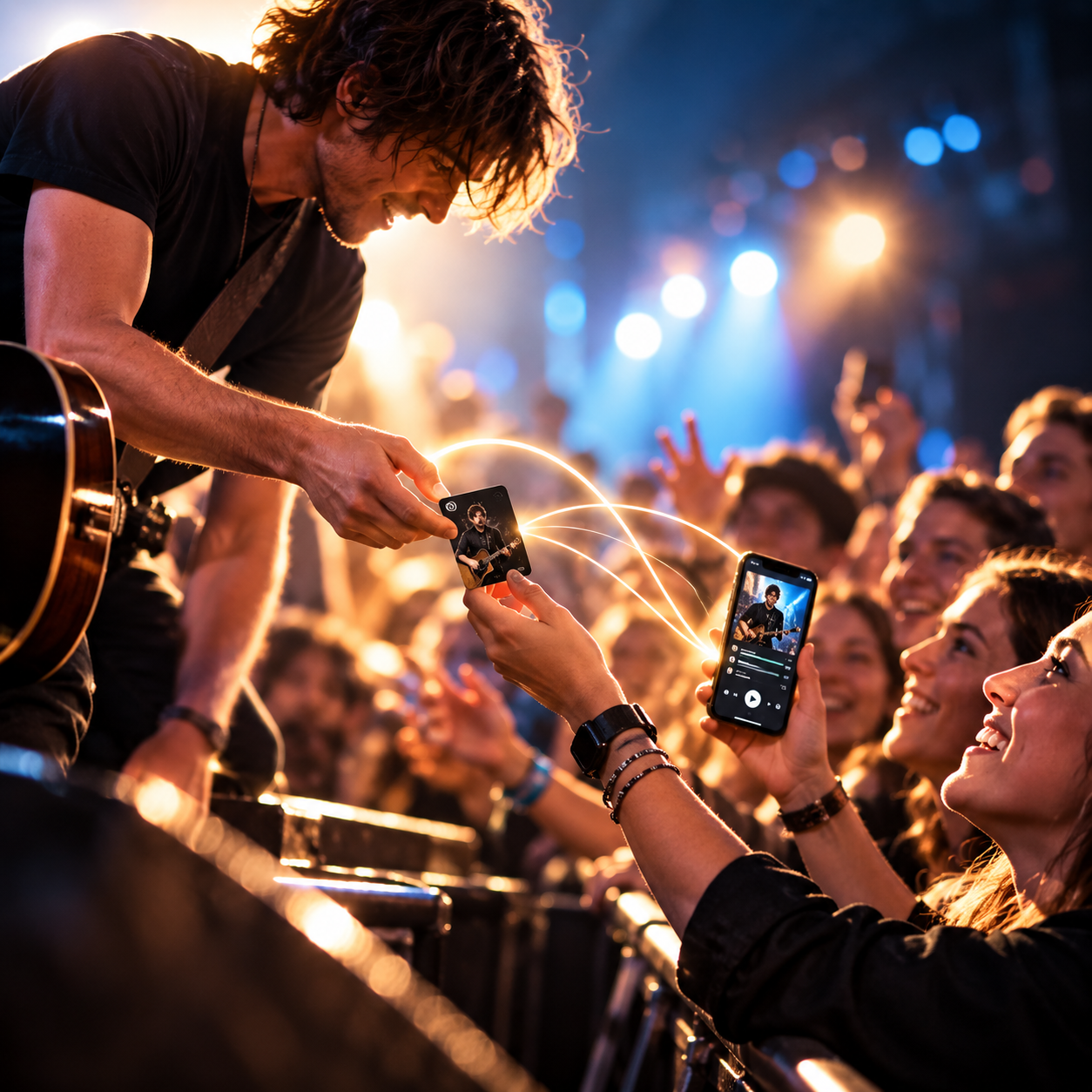
NFC and QR technology can connect a physical product directly to an artist's digital world, turning something collectible into an access point for music, videos, lyrics, photos, merchandise, bonus content and future updates.
TapTunes® Music Cards are one example.
A fan can tap a Music Card with a phone and immediately access the artist's music and content without an app, download or sign-in.
For an independent artist, the card can also become a product: sold at a merch table, included in a VIP package, created for an album release, offered online or produced as a limited collectible for a tour or special event.
The technology does not replace physical music.
It expands what physical music can do.
More Control, More Ways to Build
Perhaps the larger story is not any individual technology, platform or format. It is the growing number of options now available to independent artists.
Discovery remains essential, but it no longer has to be the final destination.
An artist can increasingly ask a different set of questions:
Who are my fans? How do I reach them directly? What can I offer them beyond the stream? And how can that relationship help support a sustainable career?
Technology is providing more ways to answer those questions.
And as the music business continues to evolve, the direct relationship between artist and fan may become one of the most important assets an independent artist can build.