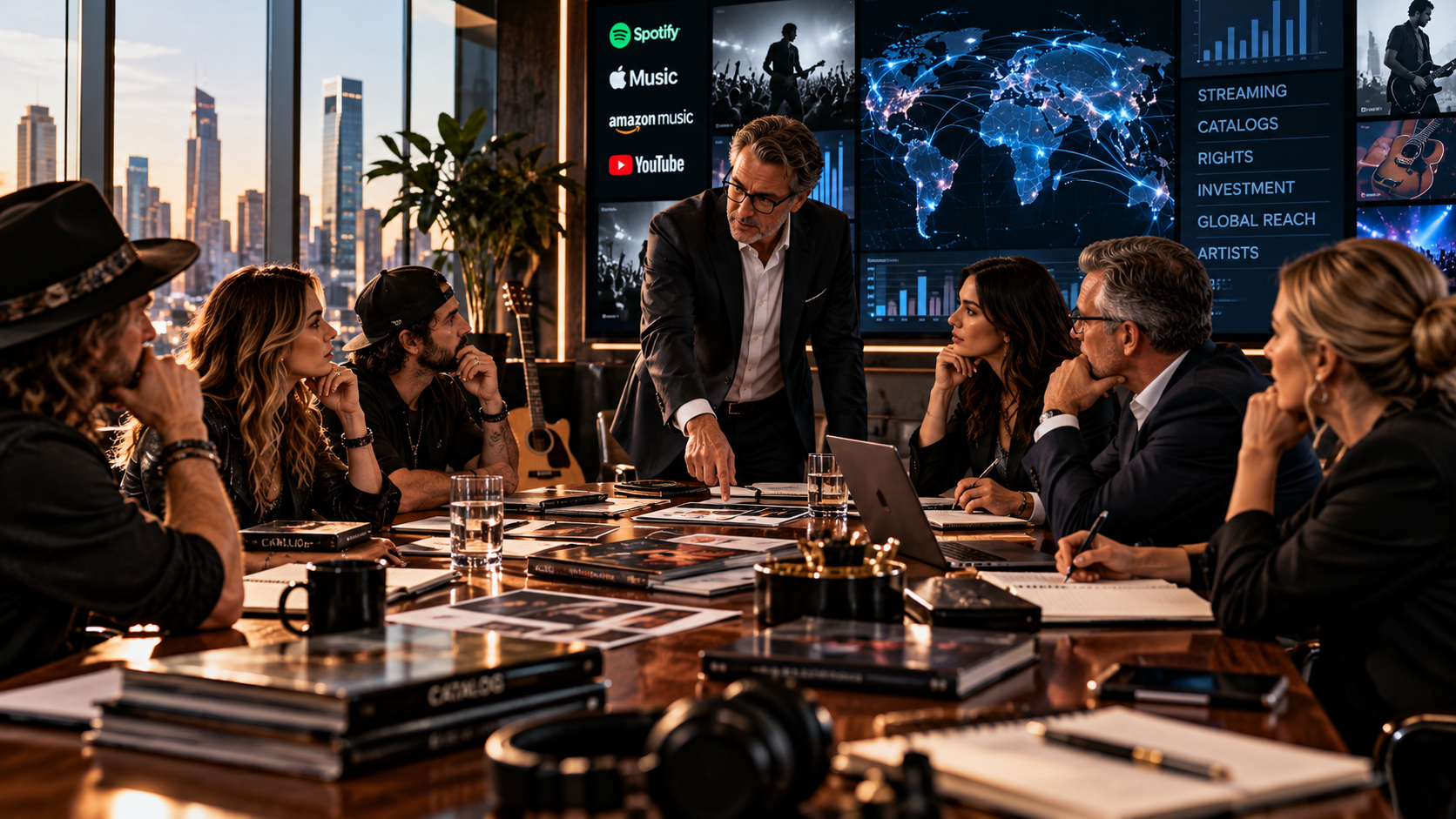
Music has never been easier to hear.
Nearly any song can be played in seconds, discovered in a video, added to a playlist and shared around the world. Yet for all that access, artists face a harder question: how do they turn a moment of attention into a lasting relationship?
That question reaches beyond streaming. Investment in catalogs, distribution, technology and artificial intelligence is reshaping the industry. Independent artists have more ways to release music and reach listeners than previous generations could have imagined. They also face relentless competition for attention. A song can travel farther and faster than ever before, then disappear into the feed by tomorrow.
The pressure to remain visible has changed the work of being an artist. Release more. Post more. Film more. Respond faster. Find the next trend before the last one fades. The creative process now competes with the demands of promotion, often on platforms where artists have little control over who sees their work.
The industry can measure much of this activity.
It can count streams, views, saves, skips and shares. Those numbers can reveal where a song is gaining traction, but they cannot fully explain why someone cares. A million impressions may produce less lasting support than a room of people who know the words and come back for the next show.
Fans do far more than consume music. They introduce friends to artists, travel to performances, buy releases and carry songs through different chapters of their lives. Their loyalty gives music cultural and commercial value. Still, much of the relationship between artists and audiences takes place through platforms built to capture attention and keep it moving.
Artificial intelligence makes the question more urgent. As creating and distributing recordings becomes easier, the supply of music can grow far faster than any listener’s ability to explore it. Discovery will remain essential, but being available everywhere will not, by itself, make an artist memorable. The human story behind the music, and the bond formed around it, become more valuable when songs compete in an endless stream.
This may help explain the renewed interest in experiences fans can keep. Concerts, signed releases, collectibles and other forms of physical music give people a way to mark a connection. They create a moment around the music: where someone heard it, who they were with, and why they chose to bring it home. Convenience can start that relationship. A meaningful experience can deepen it.
None of this requires listeners to give up streaming.
It remains an extraordinary tool for discovering and enjoying music. The opportunity is to build beyond the first play. Artists need ways to recognize the people who keep showing up, and fans need ways to participate that feel more personal than another follow or save.
The music business has spent decades removing barriers between a listener and a song. Its next challenge is making sure that, once the song reaches someone, the connection has room to grow.