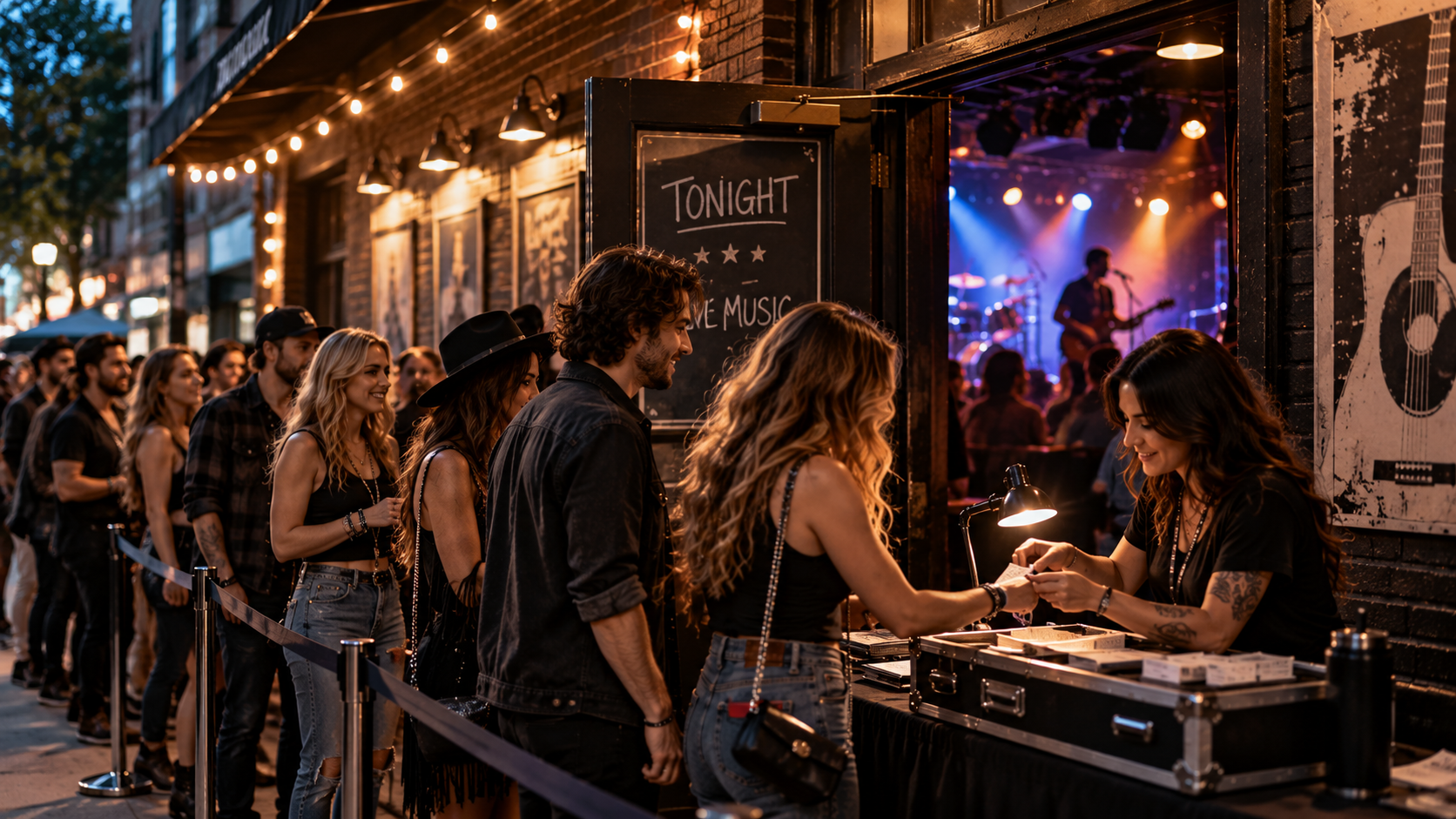
Live music is heading toward another record year in 2026.
Behind the box-office numbers, however, touring remains one of the most complicated and financially demanding parts of an artist’s career.
On paper, live music looks extraordinarily healthy. The world’s Top 100 touring artists generated $6.12 billion through the third quarter of 2026, the first time the figure has crossed $6 billion at this point in the year. Nearly 47.5 million tickets were sold, also a record.
But those numbers tell only part of the story.
The biggest tours are thriving while many developing and mid-level artists face a much different reality. Smaller and mid-tier venues are operating in a tight economy, while some artists are reconsidering touring altogether because rising expenses make it increasingly difficult to turn a profit.
A tour begins spending money long before an artist steps onstage. Transportation, fuel, hotels, crew, equipment, production, insurance, rehearsals, merchandise, marketing and meals all have to be covered. Add venue expenses, commissions and other costs, and a tour that appears successful from the audience can look very different on a settlement sheet.
More shows do not automatically mean more profit.
That is part of what makes the current market unusual. Midyear numbers showed record overall grosses and ticket sales among the Top 100 touring artists, but average gross and attendance per show were down. The industry was producing more shows to generate those record totals.
For artists operating below the superstar level, choosing the right room has become increasingly important. Booking a venue that is too large can create empty seats, higher production costs and the appearance of weak demand. A smaller sold-out room can create energy, scarcity and a stronger experience while reducing some of the financial risk.
Ticketing Is Part of the Tour Strategy
Ticketing has also become far more than simply putting seats on sale.
Artists and teams now navigate presales, fan clubs, VIP allocations, dynamic pricing, resale markets, service fees and multiple ticketing relationships. Ticket prices have risen substantially since before the pandemic, driven by a combination of demand, production expenses, fees and resale activity.
The technology surrounding ticket sales is changing too. Spotify and Live Nation introduced Reserved in 2026, allowing eligible fans to receive access to reserved concert tickets based in part on their listening activity. It is another indication that streaming behavior, fan data and ticketing are becoming increasingly connected.
At the same time, ticketing remains under intense scrutiny. Questions surrounding fees, competition, resale and control of ticket distribution continue to affect the live business. For artists, those debates matter because the final ticket price a fan sees can influence whether that fan attends at all.
The Experience Is Becoming Part of the Economics
Another major shift is happening beyond the basic ticket.
VIP packages, early entry, soundchecks, premium seating, exclusive merchandise and meet-and-greet experiences are becoming increasingly important sources of live revenue. Superfans spend considerably more on music than casual listeners, and promoters, venues and artist teams are building more experiences around that demand.
That creates opportunity, but also a balancing act. The goal cannot simply be extracting more money from the most dedicated fans. Artists still need accessible entry points for people who cannot afford premium experiences. A healthy live audience needs both.
For independent artists, some of the most valuable opportunities may still happen in smaller rooms. A 300-person venue filled with engaged fans can accomplish something thousands of anonymous streams cannot. The artist can see the audience, meet people after the show, sell merchandise and begin building relationships that continue beyond the performance.
But none of that makes touring easy.
Behind every night onstage is routing, advancing, load-in, soundcheck, merchandise counts, guest lists, ticket reports, settlements, travel and then doing it again in another city. One weak night can affect the economics of several good ones.
That is the part of touring audiences rarely see.
Live music may be setting records in 2026, but those records should not be confused with an easy business. At the top, stadiums and arenas can generate extraordinary revenue. Further down the touring ladder, artists and venues are still calculating whether the next show, the next city and sometimes the entire tour make financial sense.
And yet artists keep going because, for all the technology surrounding music, the live show remains one place where the relationship is unmistakably real.
The challenge in 2026 is no longer simply getting on the road. It is building a tour that an artist, a venue and a fan can all afford to keep coming back to.